
Category: Prospecting

  • How to Find Anyone’s Work Email (the Format Trick That Works)

    How to Find Anyone’s Work Email (the Format Trick That Works)

    You’ve found the perfect person to reach — right title, right company, clearly the decision-maker. There’s just one problem: you don’t have their email. Here’s the good news: companies almost always use one consistent email format across the whole organization. Crack the format once and you can reach anyone there.

    The permutation method

    Take the person’s first name, last name, and company domain, and generate the handful of patterns businesses actually use:

    • first@company.com — jordan@acme.com
    • first.last@company.com — jordan.lee@acme.com
    • firstlast@company.com — jordanlee@acme.com
    • flast@company.com — jlee@acme.com
    • first_last@company.com — jordan_lee@acme.com
    • firstl@company.com — jordanl@acme.com

    Six patterns cover the overwhelming majority of B2B companies. A permutator generates all of them for you in one click.

    You don’t need to guess right on the first try — you need to generate every likely candidate, then let verification tell you which one is real.

    How to confirm which one is real

    A list of guesses is only useful if you can tell the live address from the dead ones — sending to all six would wreck your bounce rate. Two reliable ways to confirm:

    • Verify each candidate through an email checker that does an SMTP mailbox check. The one that comes back valid is your answer; the rest you discard.
    • Find one known email at the company (from a press release, an email signature, a “contact us” page) to learn the format, then apply that same pattern to your target.

    When the format won’t crack

    Some companies randomize addresses or use catch-all domains where every guess “works,” which tells you nothing. At that point, sourcing the verified email directly is faster than guessing — which is the whole reason a done-for-you list exists.

    Generate every likely address in one click

    Our free Email Permutator builds all the common patterns from a name and domain — then verify them and send only to the real one.

    Open the Email Permutator →

    Written by the Verisignal team. Skip the guessing entirely — Verisignal delivers verified emails for the exact people you want to reach. Get a list →
  • How to Build a B2B Prospect List That Converts (2026)

    How to Build a B2B Prospect List That Converts (2026)

    A prospect list is the foundation of all outbound. Get it right and average copy still books meetings; get it wrong and the best copy in the world lands on people who will never buy. Here’s a repeatable process to build a list that actually converts.

    Step 1: Define your ICP precisely

    Your Ideal Customer Profile is who you sell to, described tightly enough to disqualify. Vague (“B2B companies”) is useless. Sharp is: industry, company size (headcount or revenue), geography, and the tools or conditions that make them a fit. Anchor it in your best existing customers — the ones who bought fast, stayed, and referred others — not who you wish would buy.

    Step 2: Nail the buying titles

    List the roles who feel the pain, hold the budget, and sign off — usually three different people. “Head of Marketing” isn’t enough; think “VP/Director of Demand Gen” plus the CMO plus the RevOps lead. Multi-threading into an account beats a single contact almost every time.

    Most bad lists fail at Step 1 or 2. If the targeting is wrong, nothing downstream — copy, cadence, offer — can save it.

    Step 3: Source the contacts

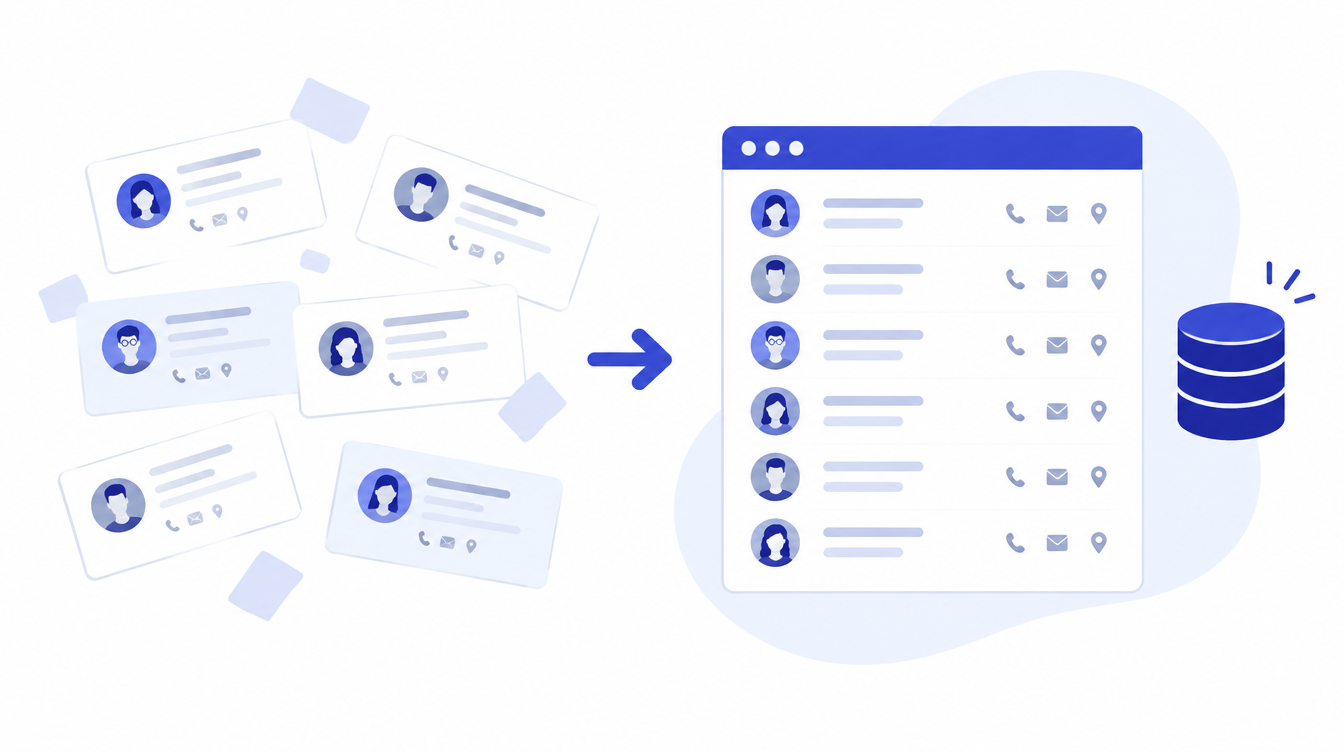
    Now pull people who match. You can do it by hand (LinkedIn plus an email-finder plus a verifier), through a data platform, or by having a verified list built for you. Whichever route, capture the fields your outreach will actually use: name, title, company, and a working email at minimum.

    Step 4: Verify before you send

    Never send to an unverified list. Run every address through deliverability checks and remove the dead ones — bounces above 2% quietly wreck your sender reputation for everyone on the list. This one step separates lists that land in the inbox from lists that land you in spam.

    Step 5: Layer in intent (optional, powerful)

    A list that matches your ICP is good. A list filtered to companies showing a live buying signal — hiring for the role you serve, newly funded, expanding — is far better, because you’re reaching people at the moment the need is real. This is what turns a static list into a prioritized queue.

    Step 6: Segment and personalize

    Don’t blast one message at everyone. Group the list by industry, role, or signal, and write an opener that speaks to each group. Even light segmentation lifts reply rates meaningfully, because relevance is what earns the reply.

    A quick sanity check on size

    Before you build, estimate how many companies actually fit your ICP. If the realistic count is a few hundred, a mass-blast strategy is the wrong tool — you want tight targeting and personalization. If it’s tens of thousands, you can afford to test segments at volume. Our free List-Size Estimator gives you that number in seconds.

    Estimate your list size, then build it

    See how big your addressable list really is with the free estimator — or skip the whole process and get a verified, ready-to-use list built to your ICP.

    Open the List-Size Estimator →

    Written by the Verisignal team. Verisignal builds verified, ICP-matched lists on a pay-per-result basis. Get your list →